

Piktochart: Design Infographics That Speak Volumes
I’m a data nerd. Give me numbers, statistics, and charts any day of the week, and I’ll happily spend hours poring over them.
But let’s be real – most people find data pretty boring. That’s where infographics come in. By combining data with visuals in a compelling way, you can turn even the driest information into something that captures your audience’s attention.
Piktochart Group Buy is a tool that makes it easy to design infographics that speak volumes. Whether you’re trying to convey complex data sets or just want to add some visual interest to your next presentation, Piktochart has everything you need to create stunning graphics that grab your viewers’ attention from the get-go.
And as someone who’s been using this platform for years now, I can confidently say: it works like a charm.
Getting Started with Piktochart
I’m excited to dive into the world of Piktochart and start creating visually stunning infographics that capture my audience’s attention.
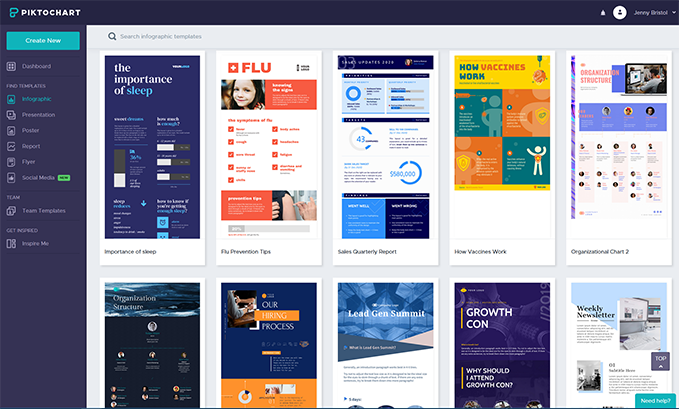
The first step is creating an account, which is quick and easy. Once I’ve done that, I can browse through the templates available and choose one that fits my needs.
From there, it’s all about customizing the infographic with my own content and design elements to make it unique and impactful.
Let’s get started!
Creating an Account
To create an account, you’ll need to provide your basic information and choose a password. It’s a simple process that won’t take much of your time. Here are the steps:
- Go to the Piktochart website and click on ‘Sign Up’ on the top right corner.
- Enter your email address and a strong password.
- Choose whether you want to sign up using Google or Facebook, or by creating a new account with just your name and email.
After filling out all the necessary fields, click “Sign Up” again to complete the registration process.
Voila! You now have access to explore all of Piktochart’s features.
Exploring features is easy with Piktochart’s intuitive interface. However, if you encounter any issues during the signup process or while using the platform, don’t worry. The support team is always ready to help troubleshoot errors for you.
Once you’ve successfully created an account, it’s time to move on to choosing a template that suits your needs perfectly.
Choosing a Template
When it comes to creating stunning visuals for your project, picking the right template can make all the difference in achieving your desired outcome. The template selection process in Piktochart is intuitive and user-friendly, with a wide range of options available to suit every type of design consideration.
Whether you want a minimalist layout or a vibrant and colorful theme, there’s something for everyone. When choosing a template, it’s important to consider factors such as the purpose of your infographic, audience preferences, and branding guidelines.
A good rule of thumb is to select a template that resonates with your target audience while also aligning with your brand identity. Once you’ve selected a template that fits your needs, you can start customizing it to create an infographic that speaks volumes about your message without feeling overly complicated or cluttered.
Customizing Your Infographic
Customizing your infographic is key to making it unique and tailored to your brand’s message. While piktochart provides a wide variety of templates for you to choose from, the true power lies in the ability to customize each element of your design.
Infographic design trends are constantly evolving, so it’s important to stay up-to-date with what’s popular while also staying true to your brand. One common mistake in infographic design is cluttering too much information into one space. Make sure that each element serves a purpose and doesn’t overwhelm the viewer.
Another mistake is using too many different fonts or colors, which can make your design look disjointed and unprofessional. Stick to a consistent color scheme and font usage throughout your entire infographic, creating visual cohesion for the viewer.
With these tips in mind, you can create an infographic that stands out from the rest while still communicating effectively with your audience.
Now that we’ve customized our template and avoided common mistakes, let’s move on to adding data and visuals for an even more impactful design!
Adding Data and Visuals
Designing eye-catching infographics that pack a punch requires skillfully incorporating data and visuals. To make your infographic stand out, you need to convey information in a visually appealing and easy-to-understand way. Here are four ways to enhance your data visualization game:
- Use charts and graphs: Charts are an excellent way to present data in a simple yet effective manner. They can be used for displaying numerical information or comparing different sets of data.
- Incorporate icons and illustrations: Icons and illustrations can add visual interest to an otherwise dull infographic. When used correctly, they can also help reinforce the message you’re trying to convey.
- Add color: Color can be used to highlight important points or create contrast between different elements on the page. It’s essential to use colors strategically, so as not to overwhelm the reader.
- Tell a story with your data: Storytelling techniques like using anecdotes, quotes, or case studies can help bring your data to life and engage your audience on an emotional level.
By incorporating these techniques into your design process, you can create infographics that effectively communicate complex information in a visually compelling way. Now, let’s move onto some tips for designing effective infographics without missing any critical details!
Tips for Designing Effective Infographics
As we’ve learned in the previous subtopic, adding data and visuals is crucial for creating an effective infographic. However, it’s not just about throwing together some charts and graphs. To truly make an impact with your infographics, you need to follow some fundamental design principles.
Firstly, keep it simple. Your audience should be able to understand your message quickly and easily. Avoid cluttering your infographic with unnecessary information or too many colors. Stick to a color palette that complements your brand or topic.
Secondly, use data visualization techniques to help tell your story. Infographics are all about presenting data in a visually appealing way. Use icons, symbols, or illustrations to break up text blocks and make statistics more engaging.
By following these design principles and incorporating effective data visualization techniques, you’ll create an infographic that speaks volumes. Remember that the purpose of an infographic is to convey complex information in a simplified manner that resonates with readers.
Now that we’ve covered tips for designing effective infographics, it’s time to learn how to share and use them effectively. You can’t simply create an amazing infographic and hope people find it on their own – you need to promote it through social media channels or embed it on relevant websites for maximum exposure!
Sharing and Using Your Infographic
Sharing your infographic is crucial to its success, and did you know that infographics are liked and shared on social media 3x more than any other type of content?
Infographic distribution plays a vital role in maximizing impact. One way to share your infographic is by posting it on various social media platforms like Facebook, Twitter, and Instagram. It’s essential to ensure that your infographic is visually appealing and easy to read so that users can quickly understand the data presented.
Another way to maximize the reach of your infographic is by embedding it on relevant blog posts or articles. This way, readers who are interested in the topic can see the information presented in a visually compelling manner. Additionally, you can submit your infographic to directories or websites like Visual.ly or Infographics Archive for wider exposure.
Sharing and using your infographic wisely will help increase its visibility and overall success. Next up, let’s take a closer look at some examples of successful infographics that have gone viral across different industries.
Examples of Successful Infographics
You’ll be blown away by the impact successful infographics can have on different industries. With the rise of digital marketing, it’s become essential for businesses to present complex information in a visually appealing and easy-to-understand way.
One industry that has embraced this trend is healthcare. Case studies have shown that infographics can increase patient understanding and engagement with medical information, leading to better health outcomes.
Another industry that has seen great success with infographics is finance. Banks and investment firms use them to explain complicated financial concepts like budgeting or investing strategies in an engaging and memorable way. By presenting data in a visually stimulating format, financial institutions are able to connect with their customers in a more meaningful way and build trust.
Lastly, education is another field where infographics are making waves. Teachers are using them as teaching aids to help students understand complex topics like science or history. With the rise of e-learning platforms, there’s never been a greater need for visual aids that simplify difficult concepts. Infographics are helping educators meet this demand while also making learning more fun and engaging for students.
Successful infographics have proven to be incredibly valuable across various industries – from healthcare to finance to education – as they make complex information easily digestible and memorable through visuals. As industry trends continue towards digitization and online communication, it’s clear that the importance of creating high-quality infographics will only continue to grow.
Frequently Asked Questions
How much does Piktochart cost?
Holy cow! I just checked out Piktochart pricing and they have a variety of subscription options starting at $29 per month. It’s affordable and worth it for creating professional-looking infographics.
Can Piktochart be used to create other types of visual content besides infographics?
Yes, Piktochart can be used to create other types of visual content. I use it for social media graphics and presentations. It’s user-friendly with a variety of templates and customization options.
Are there any limitations to the number of graphics or data points that can be included in an infographic?
Is there a limit to the complexity of an infographic? When it comes to designing infographics, data visualization techniques are key. However, too many graphics or data points can make an infographic overwhelming and difficult to read.
Does Piktochart offer any templates or design themes for users to choose from?
Yes, Piktochart offers a wide range of customizable templates and design themes to choose from. The user-friendly interface allows for easy customization and personalization to create visually appealing infographics.
Is it possible to collaborate with others on the creation of an infographic using Piktochart?
Collaborative features and sharing options allow me to work with others on an infographic using Piktochart. It’s easy to share my design with a team and receive feedback in real-time, making the process efficient and seamless.
Conclusion
Well, folks, that’s a wrap on Piktochart! I hope this article has inspired you to create your own stunning infographics.
Remember, designing an infographic is like planting a garden; it takes time and effort, but the end result is a beautiful and vibrant display that speaks volumes.
By following the tips outlined in this article and experimenting with different layouts, colors, fonts, and visuals, you can craft an engaging story that captures your audience’s attention.
Don’t be afraid to try new things and think outside the box – after all, creativity is key when it comes to making an impact through data visualization.
So go ahead and give Piktochart a whirl – who knows what kind of blooming masterpiece you’ll create!
Be the first to review “Piktochart Group Buy With 4.95$/ Month For Unlimitted”
Related products

Seo Tools







Reviews
There are no reviews yet.