

Seobility: Optimizing Your Website For Search Engine Success
As a website owner, I understand the importance of optimizing my site for search engine success. It’s not enough to simply have a great-looking website – it needs to be easily discoverable by users through search engines like Google.
That’s where Seobility comes in – an all-in-one SEO tool that helps me improve my website’s visibility and ranking on search engines.
Seobility Group Buy help you can conduct keyword analysis to identify the most relevant keywords for my business and optimize my content accordingly. This ensures that my website appears in front of potential customers who are searching for products or services related to my business.
In addition, Seobility also offers on-page optimization features such as analyzing meta tags, headings, and internal links to ensure that each page is optimized for maximum visibility.
Overall, using Seobility has helped me take a strategic approach to improving my website’s SEO and ultimately drive more traffic to my site.
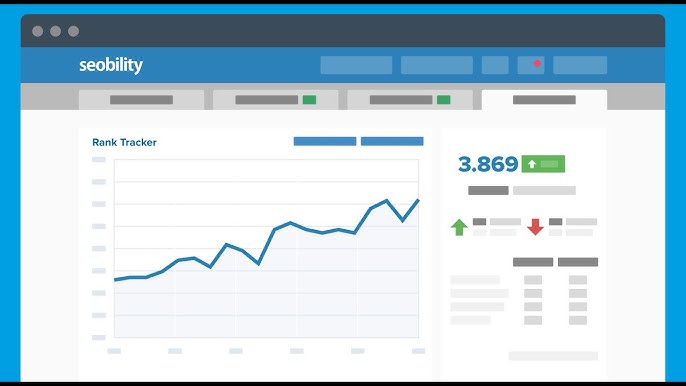
Conducting Keyword Analysis
If you’re serious about improving your website’s search engine rankings, you must conduct keyword analysis. Keyword research techniques are vital to ensure that your content is optimized for the right keywords and phrases that your target audience is searching for. Without proper keyword analysis, it can be challenging to rank on the first page of search engine results pages (SERPs).
To conduct effective keyword research, you’ll need access to the best keyword research tools available. These tools will provide data-driven insights into what keywords and phrases are popular within your industry or niche. Some of these tools include Google AdWords Keyword Planner, SEMrush, Ahrefs, and Moz Keyword Explorer.
By discovering which keywords and phrases are most relevant to your business or website, you can strategically incorporate them throughout your content in a way that feels natural and organic. This process is called on-page optimization, which involves optimizing various elements of your website’s pages to improve their relevance and authority in the eyes of search engines.
Without proper on-page optimization techniques, even if you’ve conducted thorough keyword analysis with the best keyword research tools available, it will be challenging to achieve optimal search engine rankings. So now that we’ve covered why conducting thorough keyword analysis is essential, let’s move onto how we can optimize our websites’ on-page elements for maximum success in SERPs!
On-Page Optimization
By implementing effective on-page optimization techniques, I’ve significantly improved my website’s visibility and attracted more organic traffic. Optimizing content is one crucial aspect of on-page SEO, as it ensures that your website’s pages are relevant and informative to users. This involves researching keywords and incorporating them naturally throughout the content while maintaining readability and quality.
Meta tags and headings also play a vital role in on-page optimization. These elements provide search engines with valuable information about your website’s content. Thus, optimizing meta titles and descriptions can improve click-through rates from search engine results pages (SERPs). Proper use of heading tags (H1, H2, H3) can also help organize the content for readers while providing signals to search engines about the page hierarchy.
Image optimization, URL structure, internal linking, mobile responsiveness, site speed, duplicate content issues, schema markup implementation, and user experience are other essential factors that contribute to successful on-page optimization strategies. By addressing these areas effectively through data-driven tactics such as using structured data or implementing responsive design practices optimized for different devices like smartphones or tablets can boost user engagement metrics resulting in better rankings for your website’s pages.
With an understanding of how on-page optimizations work together to improve SEO performance, the next step is backlink monitoring. It’s important not only to focus solely on technical aspects but also understand how other websites interact with yours via links pointing back at you from external sources.
Backlink Monitoring
Monitoring the quality and quantity of backlinks pointing to your site is crucial in understanding your website’s authority and credibility in the eyes of search engines. Here are three reasons why keeping an eye on your link building efforts can help improve your website’s SEO:
- Enhancing Your Backlink Profile: By monitoring your backlinks, you can identify which sources are providing value to your website and which ones may be harming it. You can then take action by reaching out to websites that provide high-quality links, while disavowing or removing any low-quality links.
- Anchor Text Analysis: The anchor text used for a backlink plays a vital role in determining its relevance and authority. By analyzing the anchor text of incoming links, you can ensure that they align with your targeted keywords and don’t appear spammy.
- Staying Ahead of Google Algorithm Updates: Google frequently updates its algorithm, and these changes often focus on link building practices. Staying up-to-date with the latest best practices will help you avoid penalties or drops in search rankings.
With proper backlink monitoring, you’ll have a better understanding of where your website stands compared to competitors. In the next section, I’ll delve into how this information can be used strategically to improve your SEO efforts even further.
Competitor Analysis
You’re not the only one playing the SEO game – your competitors are doing it too. Identifying weaknesses in their strategies can help you improve your own website’s ranking. By analyzing their backlink profiles, content marketing efforts, and keyword optimization tactics, you can benchmark their strategies against your own and find areas where you can improve.
One way to analyze your competitors is by using tools like Seobility. Their Competitor Analysis feature allows you to see how many keywords they rank for, what their top pages are, and which backlinks they have. You can also see which social media platforms they use to promote their content and engage with their audience.
By identifying weaknesses in your competitor’s strategies, you can develop a more effective SEO plan for your website. Benchmarking strategies against those of successful competitors will help you stay ahead of the curve in terms of optimizing for search engines.
And with a user-friendly interface and easy-to-read reports available through Seobility, analyzing competitor data has never been easier or more accessible.
User-Friendly Interface and Reports
As I navigate through the Seobility dashboard, I find it user-friendly and easy to use. The SEO reports are comprehensive and informative, allowing me to understand my website’s performance on search engines.
Applying the SEO recommendations provided by Seobility has helped me improve my website’s ranking and overall online visibility.
Navigating the Seobility Dashboard
Explore the Seobility dashboard, and get familiar with its layout to optimize your website for search engine success! One of the first things you should do is customize your settings according to your specific needs. You can choose your preferred language, country, and search engines that you want to track. This way, you’ll be able to monitor how well your website is ranking in those specific areas.
Once you’ve customized your settings, it’s time to start tracking progress. The Seobility dashboard provides real-time data on rankings, backlinks, and other important metrics that can help you improve your website’s visibility online. By keeping an eye on these metrics regularly, you’ll be able to identify any issues early on and take corrective action before they have a negative impact on your website’s performance.
Understanding seo reports is crucial for anyone looking to optimize their website for search engine success.
Understanding SEO Reports
To get a better grasp of how your website is performing in search engines, take a closer look at the SEO reports provided on the dashboard. These reports are essential tools that enable you to analyze metrics and interpret data related to your website’s performance in search engine rankings. By reviewing these reports regularly, you can identify areas that need improvement and make necessary adjustments.
Some of the key metrics included in SEO reports are keyword rankings, backlinks, crawl errors, and page speed. Keyword rankings show where your website ranks for specific keywords and phrases related to your industry or niche. Backlinks refer to links from other websites that point back to your site, which can be an indicator of authority and credibility. Crawl errors indicate any issues with how search engines are able to crawl and index your pages. Lastly, page speed refers to how quickly your pages load for users, which is a critical factor in user experience and SEO rankings.
Understanding these key metrics can give you insights into what’s working well on your website and what needs improvement. With this knowledge in hand, you can begin applying SEO recommendations that will help boost your website’s overall performance in search engine results pages (SERPs).
Applying SEO Recommendations
Now that I’ve got a better understanding of my website’s performance metrics, it’s time to apply SEO recommendations and make necessary improvements to boost my online presence. Here are three steps I plan to take:
- Prioritize the most impactful fixes: I’ll start by identifying the highest priority issues based on their potential impact on my website’s search engine visibility and user experience. This will help me focus my efforts on the most critical areas that need improvement.
- Implement changes systematically: While fixing all issues at once might seem tempting, applying multiple changes simultaneously can cause confusion and make it difficult to track progress. Instead, I plan to implement changes in a systematic manner, monitoring each modification’s effect before moving onto the next one.
- Overcome implementation challenges: Some SEO recommendations may be challenging to execute due to technical limitations or budget constraints. To overcome such obstacles, I’ll explore alternative solutions or seek professional assistance if necessary, ensuring that every recommendation is implemented in some capacity.
By following these steps and remaining strategic in my approach, I’m confident that I can successfully apply SEO strategies and improve my website’s overall performance over time despite any implementation challenges that may arise along the way.
Frequently Asked Questions
What is the cost of using Seobility for website optimization?
When it comes to optimizing a website for search engine success, conducting a cost comparison and ROI analysis is crucial. The cost of using various tools and services varies, but the goal is to find the most effective solution for your budget and goals.
Can Seobility automatically generate content for my website?
I’ve been exploring content generation automation using AI powered writing tools. It’s fascinating to see how technology is advancing, but I have yet to find a tool that completely replaces human creativity and expertise in crafting quality content.
Does Seobility offer any social media optimization features?
Yes, I can integrate social media into my website and analyze my target audience with Seobility. This helps me create targeted content that resonates with my followers and attracts new ones, improving my overall online presence.
Are there any limitations to the number of websites that can be managed with Seobility?
Yes, there are limitations to the number of websites that can be managed with Seobility. The Basic plan allows for one website, while the Premium plan allows for up to five websites to be managed.
Can Seobility be integrated with other marketing tools such as Google Analytics or AdWords?
Yes, Seobility can be easily integrated with marketing tools like Google Analytics or AdWords. Additionally, Seobility can be adapted for custom needs as it provides APIs that allow seamless integration with other software and systems.
Conclusion
Overall, I highly recommend seobility as a powerful tool for optimizing your website for search engine success. It offers a comprehensive suite of features, including keyword analysis, on-page optimization, backlink monitoring, competitor analysis, and a user-friendly interface and reports.
With its intuitive dashboard and easy-to-use tools, even beginners can improve their website’s SEO performance. One interesting statistic to note is that businesses that prioritize SEO are 13 times more likely to see positive ROI than those who do not. This highlights the importance of investing in SEO as part of your overall digital marketing strategy.
By utilizing seobility to improve your website’s visibility and ranking on search engines, you can drive more traffic and ultimately increase conversions and revenue for your business. Don’t wait any longer – start optimizing your website with seobility today!
Be the first to review “Seobility Group Buy With 4.95$/ Month”
Related products

Uncategorized
Uncategorized
Uncategorized
Uncategorized
Uncategorized
Uncategorized
Uncategorized

Uncategorized
Reviews
There are no reviews yet.